Understanding Auto Window Tinting
What is Auto Window Tint?
Auto window tinting refers to the process of applying a thin film to the windows of a vehicle. This film can vary in opacity, color, and material, designed specifically to block certain wavelengths of light. Typically used for aesthetic purposes, auto window tint also provides functional benefits such as enhanced privacy, UV protection, and heat rejection.
Benefits of Auto Window Tint
There are numerous benefits associated with auto window tinting:
- Heat Rejection: Tinted windows significantly reduce heat buildup inside your vehicle, resulting in a more comfortable driving experience, particularly on hot days.
- UV Protection: Auto window tint can block up to 99% of harmful UV rays, protecting both passengers and the vehicle’s interior from sun damage.
- Increased Privacy: Tinted windows deter potential thieves by making it difficult to see inside your car, thus providing an additional layer of security.
- Glare Reduction: Window tint helps minimize glare from the sun and headlights from other vehicles, enhancing visibility and reducing eye strain.
- Enhanced Aesthetics: Tinted windows can give your vehicle a sleek, customized appearance, potentially increasing its resale value.
Common Myths about Window Tint
Despite the growing popularity of window tinting, several misconceptions persist:
- Myth 1: Window tint is illegal everywhere. Fact: Tint legality varies by state and country; always check local laws.
- Myth 2: All tints are the same. Fact: Different films offer varying degrees of heat rejection, UV protection, and durability.
- Myth 3: Tinted windows reduce visibility. Fact: High-quality tint films enhance vision and reduce glare.
Choosing the Right Window Tint
Types of Tints Available
When selecting auto window tint, you’ll find various types made from different materials:
- Dyed Film: Offers a reasonable level of heat and UV protection while enhancing privacy. However, it can fade over time.
- Metalized Film: Contains metal particles that block UV rays and enhance heat rejection without fading.
- Carbon Film: Provides excellent heat rejection and durability while maintaining a dark appearance without reflective qualities.
- Ceramic Film: The latest technology featuring non-metal particles that block heat and UV rays effectively while not interfering with electronic devices.
Factors to Consider When Selecting
Several factors should influence your choice of window tint:
- Legal Limitations: Confirm the legal limits for tint darkness and reflectivity in your area to avoid fines.
- Personal Preferences: Think about your aesthetic goals and desired level of privacy.
- Performance Features: Evaluate how well the tint will protect against heat, UV rays, and glare based on where you drive frequently.
- Warranty: Look for window tints that come with warranties to ensure longevity and protection from defects.
Quality vs. Cost: Finding the Balance
While it can be tempting to choose the cheapest option, investing in high-quality window tint pays off in the long run. Make sure to assess:
- Performance: Higher-quality tints offer better heat rejection and longer-lasting durability.
- Clarity: Opt for tints that won’t obstruct your visibility, particularly at night.
- Installation: Professionals often provide better installation, enhancing the film’s effectiveness, and the warranty coverage can protect your investment.
Installation Process of Auto Window Tint
Preparing Your Vehicle for Tinting
Preparation is crucial in ensuring a perfect installation. Follow these steps:
- Clean Windows: Thoroughly wash the windows to remove dirt, dust, and debris.
- Remove Obstacles: If applicable, remove window seals, visors, and any other accessories that might obstruct the tinting process.
- Choose Conditions: Ensure a dust-free environment, ideally performing the service in a garage or shaded area.
Steps in the Tinting Process
The installation process itself involves several key steps:
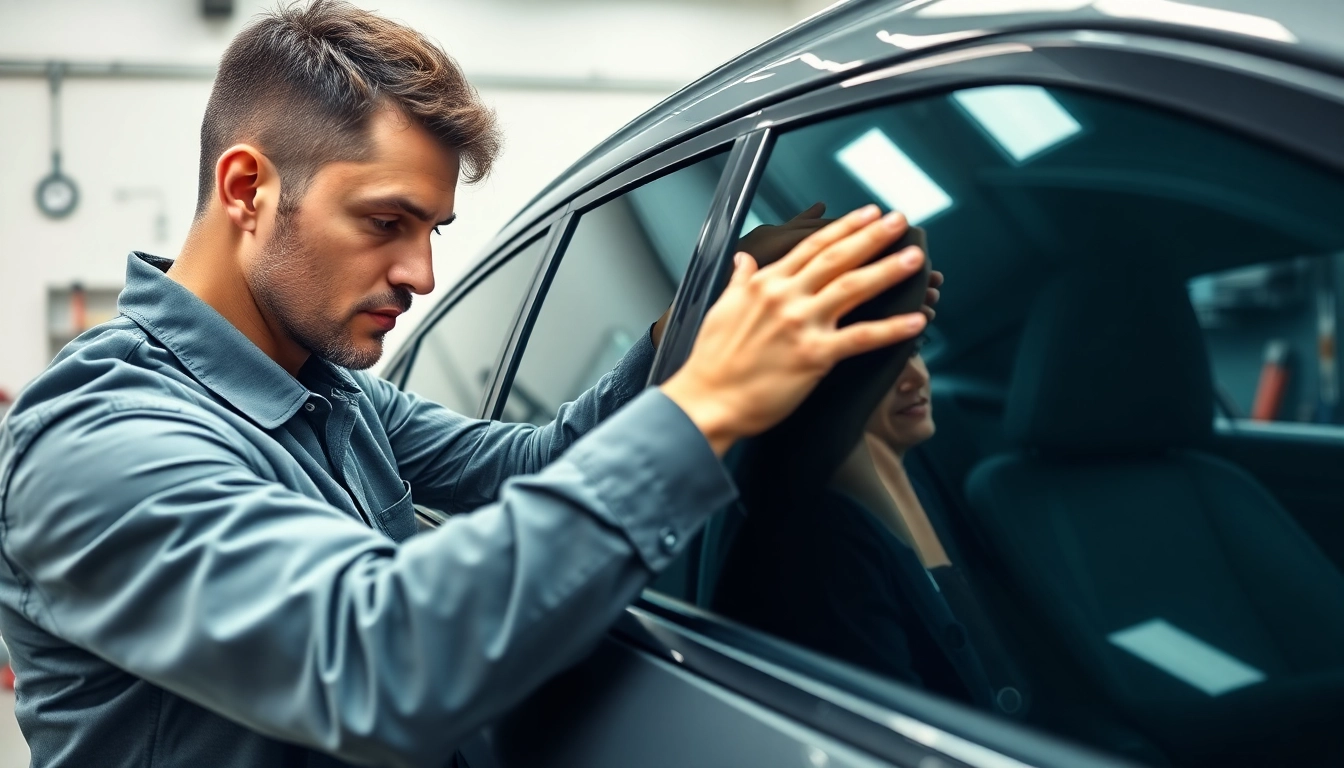
- Measurement and Cutting: Precise measurements are taken, and the tint film is cut to fit each window.
- Application: A water and soap solution may be applied to the window surface before laying the tint film to assist in placement.
- Trimming and Smoothing: The windows are smoothed out to remove air bubbles, and excess film is trimmed.
Post-Installation Care and Maintenance
After installation, proper care ensures the longevity of your auto window tint. Recommendations include:
- Wait Period: Avoid rolling down the windows for at least a few days to give the adhesive time to bond.
- Cleaning: Use only mild cleansers and soft cloths to maintain the tint’s integrity; avoid ammonia-based products.
- Regular Checks: Inspect the tint periodically for peeling or bubbling, which can be addressed promptly by a professional.
Finding Auto Window Tint Near Me
How to Locate Reliable Services
When searching for auto window tint near me, consider the following:
- Local Listings: Consult online directories, maps, or social media for nearby services.
- Referrals: Ask friends or family for recommendations based on their experiences with local tinting services.
- Rating Platforms: Use sites like Yelp or Google Reviews to view service options paired with customer feedback.
Evaluating Customer Reviews and Ratings
Before choosing a window tint service, take time to evaluate online reviews:
- Overall Ratings: Aim for services with 4 stars or higher to find reliable options.
- Specific Feedback: Look for mentions of the quality of the tint, customer service, and installation experience.
- Before and After Photos: Many reputable services will display galleries showcasing their previous work.
Asking the Right Questions Before Installation
Before handing over your vehicle, ensure you inquire about:
- Film Quality: What types of tint do they offer, and what are their benefits?
- Accreditations: Are the technicians certified, and does the company have a reputable history?
- Warranties: What warranties do they offer for both the film and the installation service?
Frequently Asked Questions About Auto Window Tint
How long does window tint last?
Quality window tint can last anywhere from 5 to 15 years, depending on factors like film type, installation quality, and environmental exposure.
Is window tint legal in my area?
Legal requirements for window tint vary by state. It’s essential to check local laws to ensure compliance before installation.
Can I install window tint myself?
While DIY kits exist, professional installation is recommended for optimal results, ensuring no bubbles, peeling, or misapplications.
What happens if the tint bubbles?
Bubbles can occur due to moisture or improper installation. Small bubbles often disappear over time, but significant bubbling may require professional removal and reapplication.
Are there different shades of window tint?
Yes, window tints come in various shades, ranging from light to dark. Always verify local regulations regarding darkness limits before selection.