
Understanding the Concept of a Man Club
The concept of a man club has evolved significantly over the years, transforming from exclusive gentlemen’s clubs into accessible spaces that promote community, support, and personal growth among men. Originally, these clubs served as social hubs for men to network and discuss business, but today’s man clubs encompass a broader range of activities aimed at addressing modern male challenges such as mental health, emotional support, and social connection. In this article, we will explore the various dimensions of man clubs, their historical context, benefits, and what to look for when deciding to join one.
What is a Man Club?
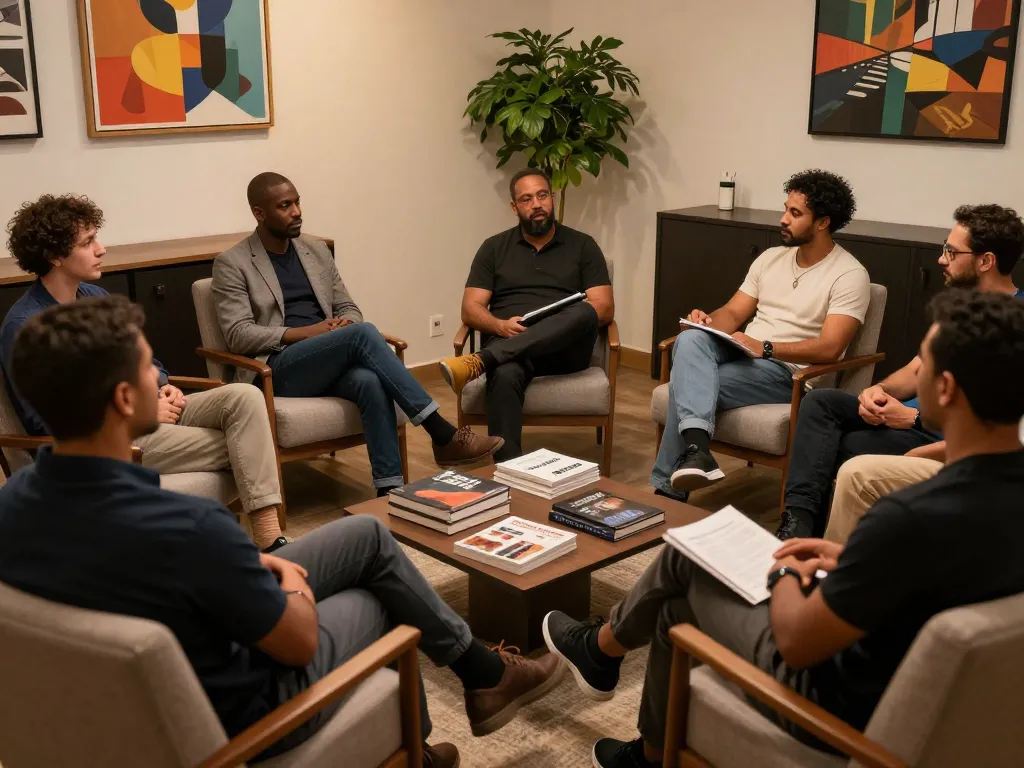
A man club is a gathering space that encourages men to come together, share experiences, and support one another in a variety of aspects of life. These clubs can vary significantly in focus, from social clubs that revolve around recreational activities to support groups dedicated to mental health and personal development. In many cases, a man club serves as a safe haven where men can express themselves freely without the fear of judgment.
The History of Man Clubs
Historically, man clubs trace their roots back to the 18th and 19th centuries, where they often served as elite gatherings for affluent men. These gentlemen’s clubs were places for networking and socializing, often featuring amenities like dining rooms, libraries, and clubhouses. Over time, the concept expanded to include working men’s clubs and more informal gatherings, reflecting the evolving societal roles of men. Today, man clubs are increasingly focused on inclusivity and personal growth, striving to redefine masculinity in a modern context.
Benefits of Joining a Man Club
Joining a man club can offer numerous benefits that cater to various needs and interests. These include:
- Social Connection: Meeting like-minded individuals fosters friendships and support networks.
- Mental Health Support: Many clubs provide a platform for men to discuss mental health issues openly, reducing stigma.
- Personal Growth: Workshops and discussions often focus on self-improvement and development skills.
- Networking Opportunities: Clubs can facilitate professional connections and collaborations.
How to Find the Right Man Club for You
Finding the right man club involves assessing your personal goals and preferences. With the growing diversity in types of clubs, it’s essential to identify what you are looking for—be it social engagement, support, or skill development.
Types of Man Clubs: Support vs. Social
There are primarily two types of man clubs: those focused on support and those oriented toward social activities. Support clubs may focus on mental health or life challenges, providing a safe space for men to discuss personal issues. On the other hand, social clubs often host recreational events, fostering friendships through fun activities such as sports, games, and outings.
Evaluating Club Activities and Goals
When choosing a man club, it’s crucial to evaluate the activities offered and the club’s overall goals. Look for clubs that align with your interests and values. Attend a few meetings or events as a guest to gauge the atmosphere and the engagement level among members.
Questions to Ask Before Joining
Before committing to a club, consider asking the following questions:
- What is the club’s mission and focus?
- How often do meetings or events occur?
- What types of activities are planned?
- Are there any fees associated with membership?
- What is the age range of current members?
Engaging Activities at Man Clubs
Man clubs are known for providing a range of engaging activities that cater to the interests of their members while promoting camaraderie and personal development.
Workshops for Personal Development
Many man clubs organize workshops focusing on various topics such as leadership, communication skills, and health management. These workshops are designed to help members grow personally and professionally, equipping them with valuable skills to navigate life challenges.
Regular Meetings and Discussion Groups
Regular meetings often include discussion groups where members share their experiences, challenges, and successes. These gatherings create an environment of support and understanding, allowing men to feel heard and valued.
Social Events and Networking Opportunities
Social events such as outings, game nights, or group sports foster friendships and help break the ice among members. Networking opportunities can also arise through these events, allowing for potential collaborations and professional growth.
Challenges Faced by Men in Clubs
While man clubs offer many benefits, they also face challenges that can impact participation and engagement.
Overcoming Stigmas Around Male Vulnerability
Many men feel societal pressure to uphold traditional notions of masculinity, which can hinder their participation in clubs focused on emotional support. It is vital for clubs to create an open and non-judgmental environment to encourage men to express their feelings and vulnerabilities.
Encouraging Participation and Engagement
Keeping members engaged can be challenging as interests evolve over time. Clubs must regularly innovate their activities and provide value to sustain participation. This may involve soliciting member feedback and adapting the club’s offerings to meet changing demands.
Addressing Mental Health Concerns
Mental health remains a critical issue among men today, and some clubs may feel ill-equipped to handle sensitive topics. Training facilitators in mental health first aid and fostering partnerships with mental health professionals can enhance support within these clubs.
The Future of Man Clubs in 2026
As society continues to evolve, so too will the role and nature of man clubs. Looking ahead, several notable trends are emerging.
Emerging Trends in Male Support Networks
The future will likely see a greater emphasis on inclusivity, with man clubs attracting diverse memberships across various cultural, racial, and age demographics. This shift aims to create more comprehensive support networks that reflect the needs of all men, promoting a sense of belonging.
The Role of Technology in Club Participation
Technology is expected to play a significant role in the evolution of man clubs, with online platforms facilitating meetings, discussions, and events. This allows for greater accessibility, especially for those who may be hesitant to join in person.
Anticipating Changes in Membership Demographics
As the stigma around mental health decreases and societal norms shift, younger generations will likely seek out man clubs for different reasons than their predecessors. Clubs may need to adapt their focus to retain relevance with emerging demographics, fostering connections that align with contemporary values.